
Humanities
Find out more about Humanities Department
Humanities
Humanities invites students to be curious about the world—how it came to be, why it works the way it does, and how the choices we make today can shape its future.
Across History, Geography and Social Studies, students investigate real-world issues, encounter different perspectives and learn to ask thoughtful questions about the people, places and events around them. Learning goes beyond the textbook as students examine historical sources, interpret real-world data, debate contemporary issues and make connections between what they learn and the world they live in.
Stepping into History
History becomes more than a record of past events when students are challenged to consider the choices people made and the circumstances in which they made them.
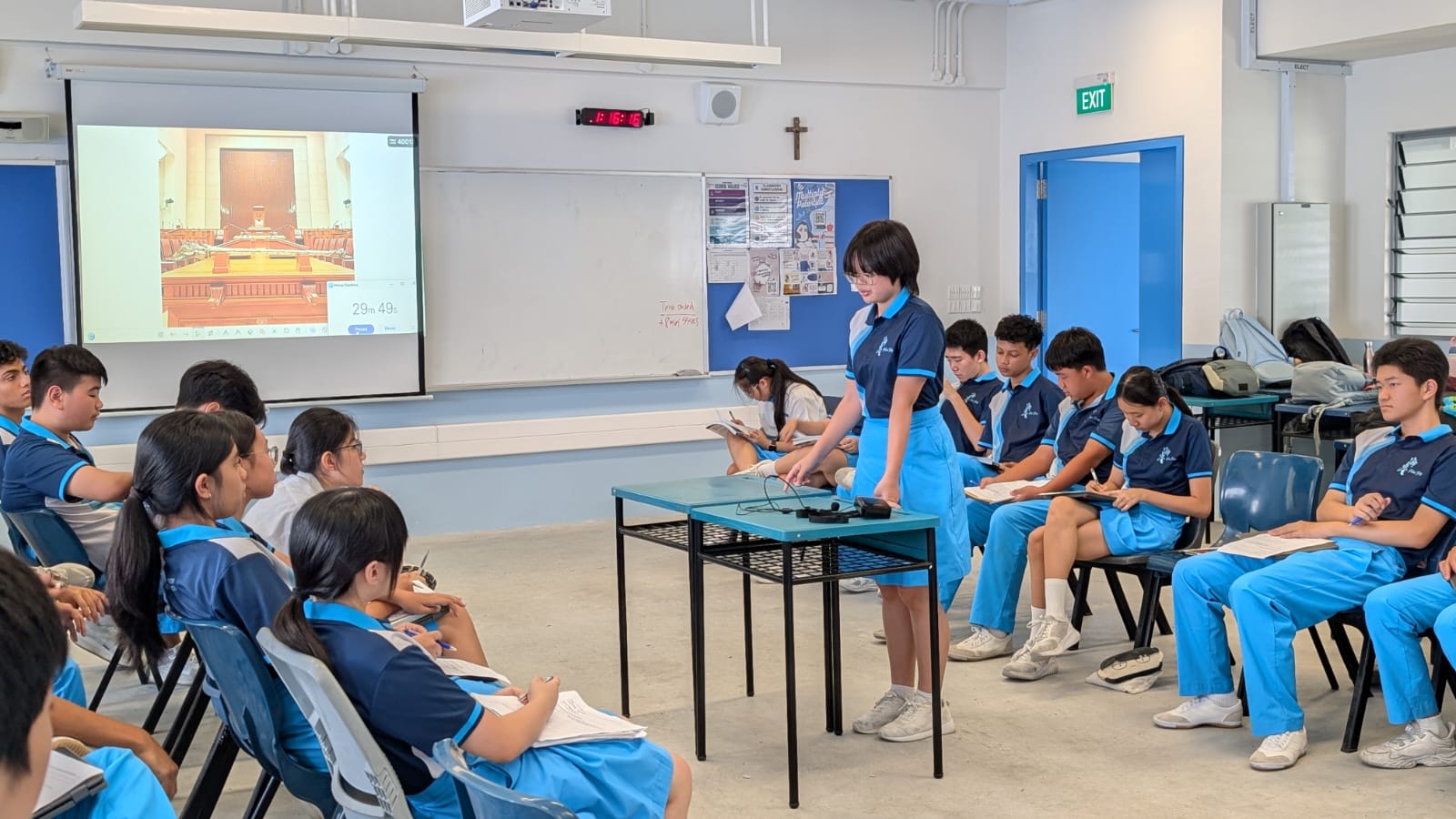
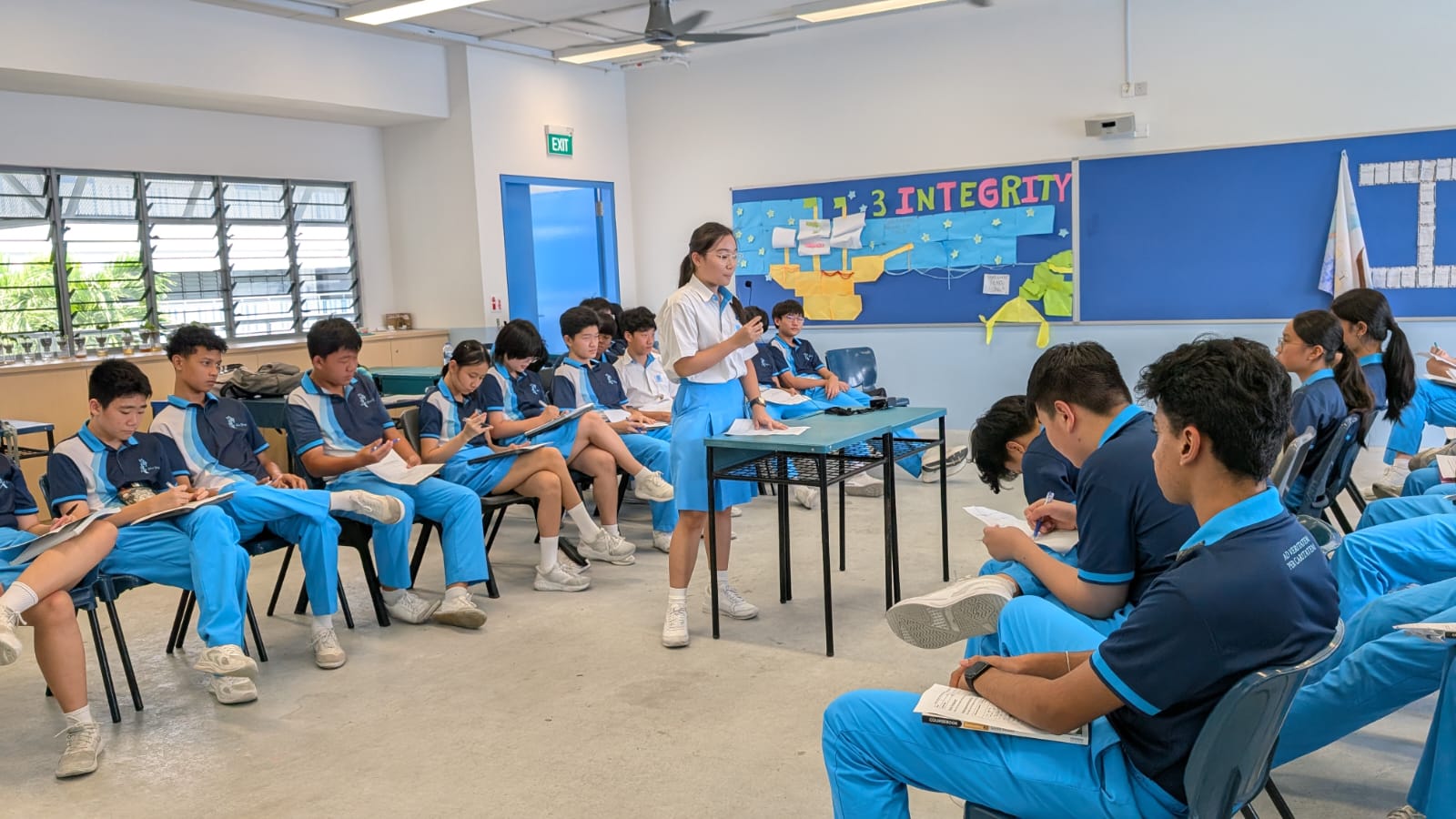
Through interactive storytelling, role-playing simulations and decision-making activities, students step into different historical perspectives and confront questions that do not always have straightforward answers. In one lesson on the impact of Nazi rule on Germany, for example, students encounter the Holocaust through a storytelling and voting experience. As the stories unfold, they make decisions, confront their initial assumptions and consider events from the perspectives of those who lived through them.
“I never thought that History could be enjoyable until one particular lesson changed my mind. The stories aroused my interest, especially when they differed from my initial assumptions of the characters. The lesson sparked my curiosity and I was inspired to learn more about the topic.”— For Secondary 3 student Rykiel, the experience changed the way he saw the subject:
Taking Inquiry into the Real World
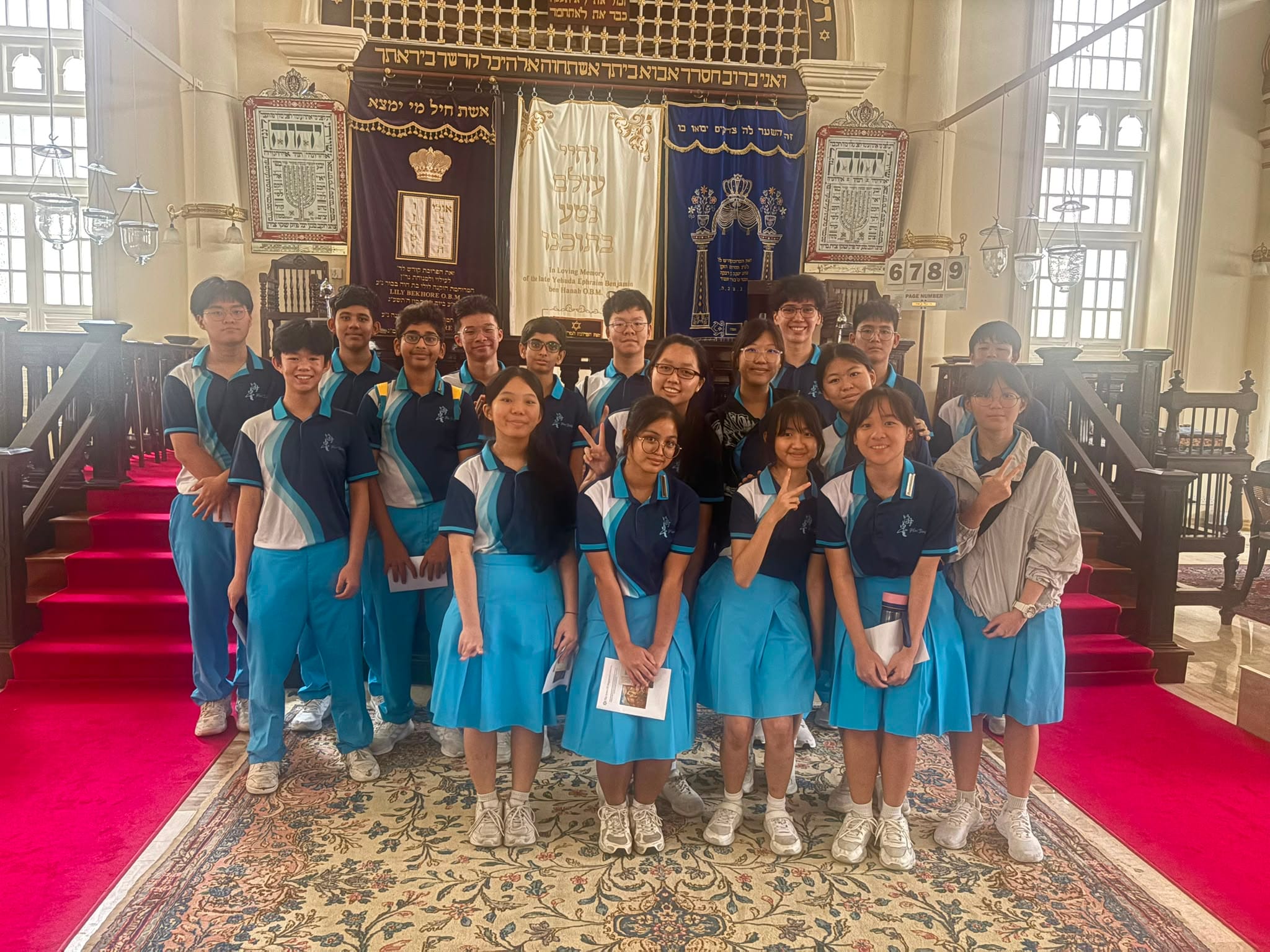
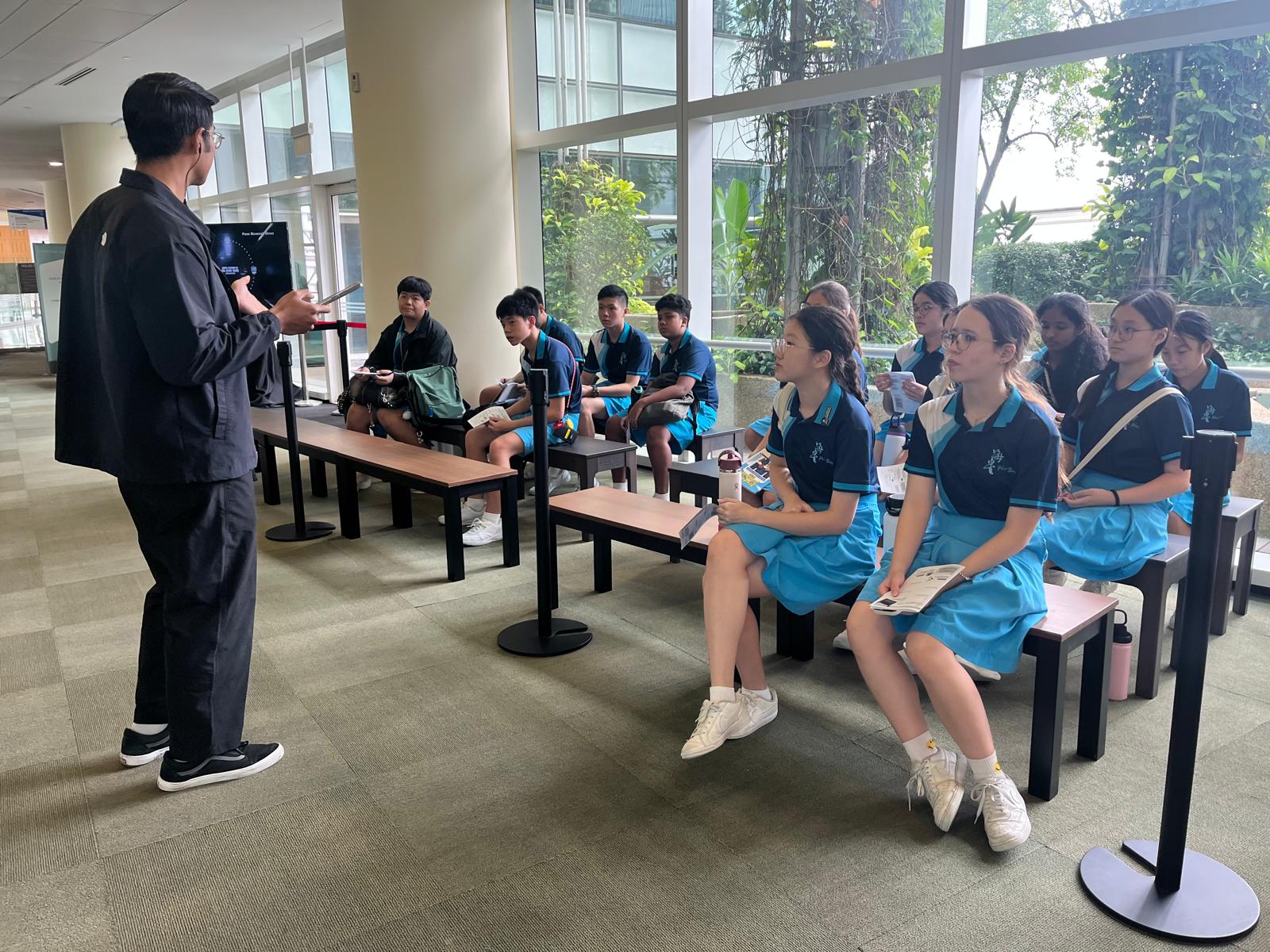
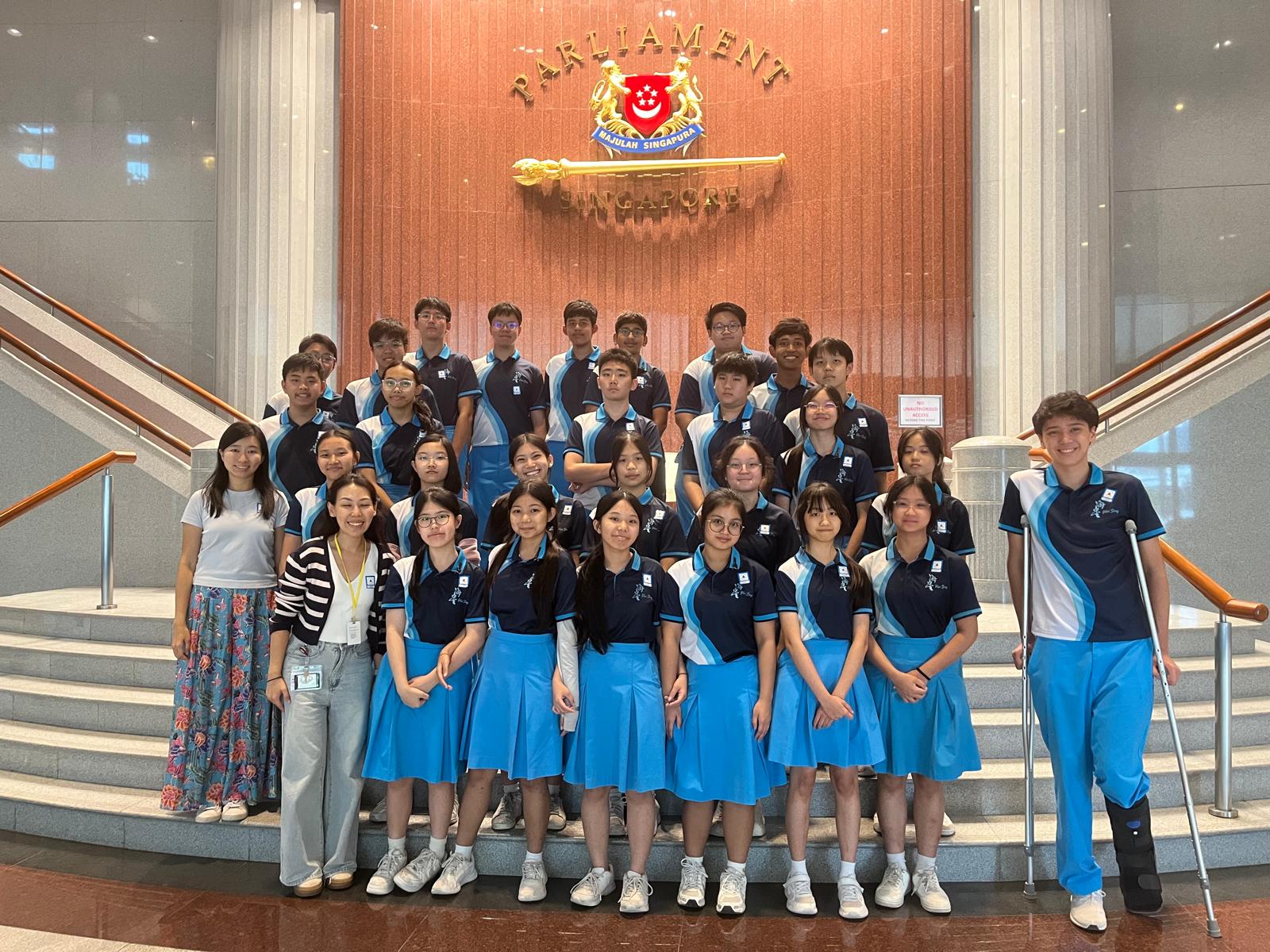
Some questions are best investigated beyond the classroom. Through Geographical Investigations, Historical Inquiry and Issue Investigation projects, students take their learning into authentic environments where they gather evidence for themselves.
On field-based learning journeys, students formulate inquiry questions, collect and analyse primary data, examine historical evidence and investigate relationships between people, places and issues. They then use what they have discovered to draw conclusions and, where appropriate, consider possible responses to real-world challenges.
These experiences encourage students to see Humanities not simply as subjects to be studied, but as different ways of understanding the world around them.
“Learning Humanities in Hai Sing has really opened my eyes to how the world works and how certain events can lead to others. I enjoy the classes as they are engaging, and the teachers are always willing to answer the questions we have.”— Secondary 4 student Clarissa
Discovering Through Play and Interaction
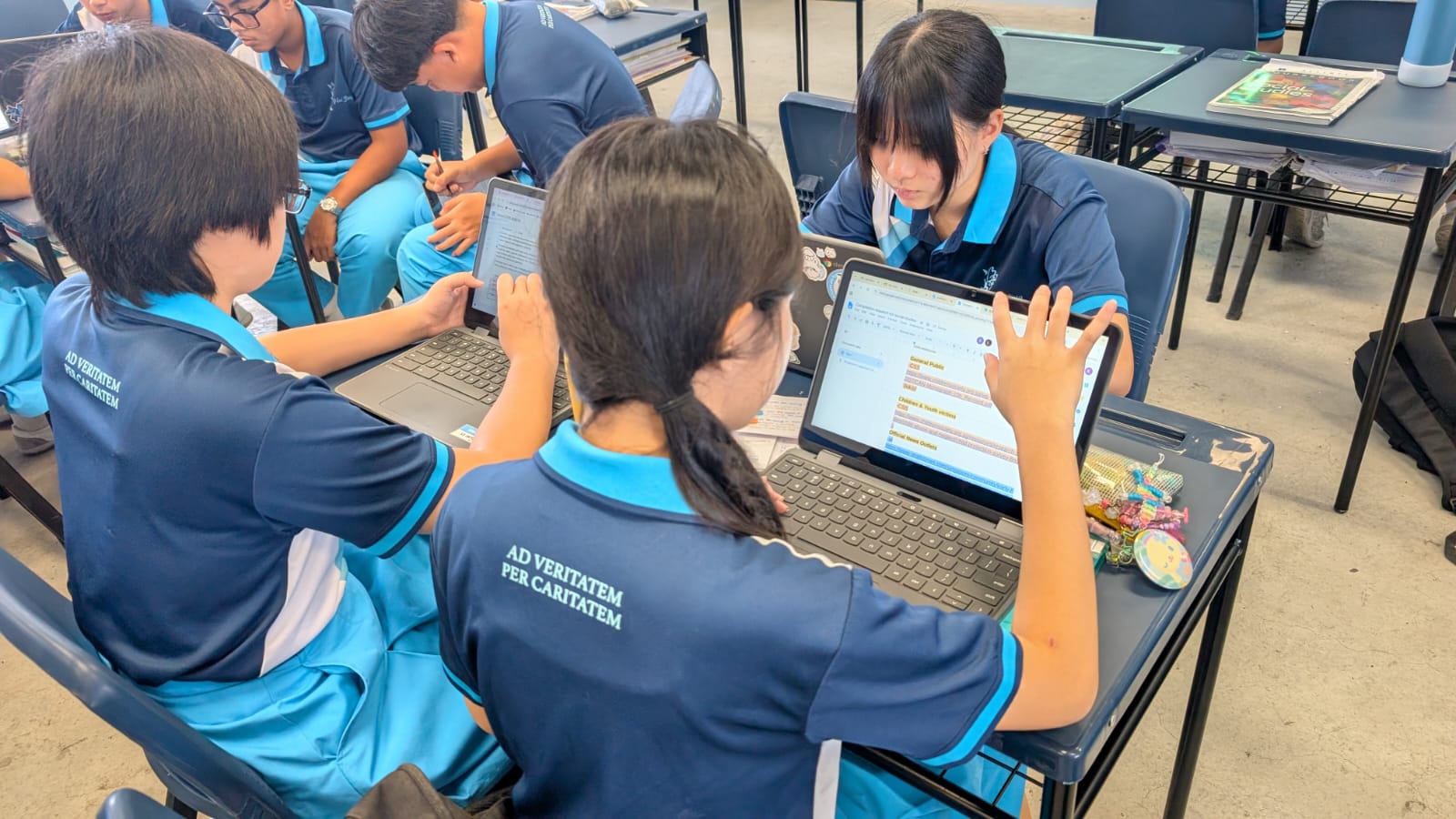
Inquiry can also begin with curiosity and play. Through gamified activities such as ‘Find the Goli’, simulations and structured role-play, students investigate concepts and contemporary societal issues in ways that invite them to participate, question and make decisions.
Rather than simply being given answers, students have to uncover information, weigh evidence and consider different possibilities. Such experiences make abstract ideas more tangible while encouraging students to become active participants in their own learning.
Going Further
For students with a strong interest and aptitude in the Humanities, learning extends to challenging platforms beyond the school.
Students have opportunities to represent Hai Sing at programmes and competitions such as the NUS Geography Challenge, History Challenge Programme, Student Archivist Programme, United Nations Model Challenge and Prove It! These experiences stretch students beyond the regular curriculum as they undertake deeper research, tackle unfamiliar problems, defend their ideas and engage with other passionate Humanities students.
“Hai Sing has given me many opportunities to expand and deepen my interest in Humanities, especially Geography. One of these was the NUS Geography Challenge, which was both enriching and fun.”— Secondary 4 student Euan describes his experience:
Understanding the World, Finding Your Place in It
Studying the Humanities ultimately equips students to navigate a world of complex information, competing perspectives and difficult choices.
As students question sources, analyse data, consider perspectives and defend reasoned viewpoints, they learn not to accept information simply at face value. They develop the confidence to ask Why?, Whose perspective is this?, What does the evidence tell us? and What might happen next?
These habits prepare students for further studies and future careers where they will need to make sense of information, communicate reasoned perspectives and make thoughtful decisions. More importantly, they help our students grow into informed, concerned and participative citizens, young people who understand the world more deeply and recognise that they have a part to play in shaping it.