
Craft & Technology
Find out more about Craft & Technology Department
Craft & Technology
The Craft & Technology Department is a space for students to imagine, experiment, create and improve. Across Art, Computing, Design & Technology, Elements of Business Skills and Nutrition & Food Science, students learn by doing—turning ideas into designs, applying knowledge to practical challenges and seeing their work take shape.
While each discipline offers a different learning experience, they share a common emphasis on inquiry, creation and authentic application. Students are encouraged to explore possibilities, test ideas, learn from feedback and make connections between what they encounter in the classroom and the world beyond it.
Design & Technology: Designing with Purpose
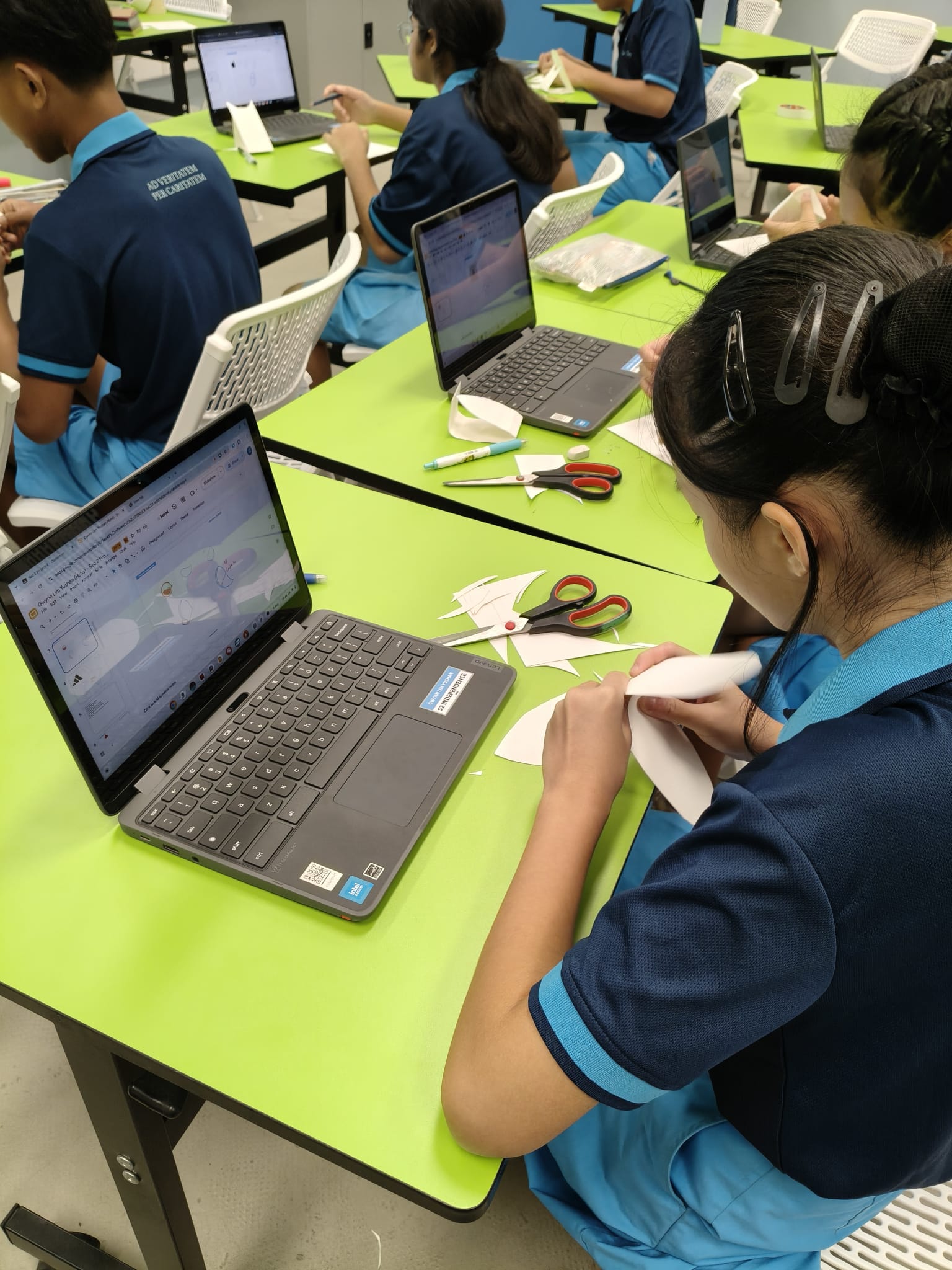
In Design & Technology, students learn to see everyday problems as opportunities for better design. They apply design thinking to authentic, user-centred problems, developing ideas through sketching, experimentation and repeated refinement.
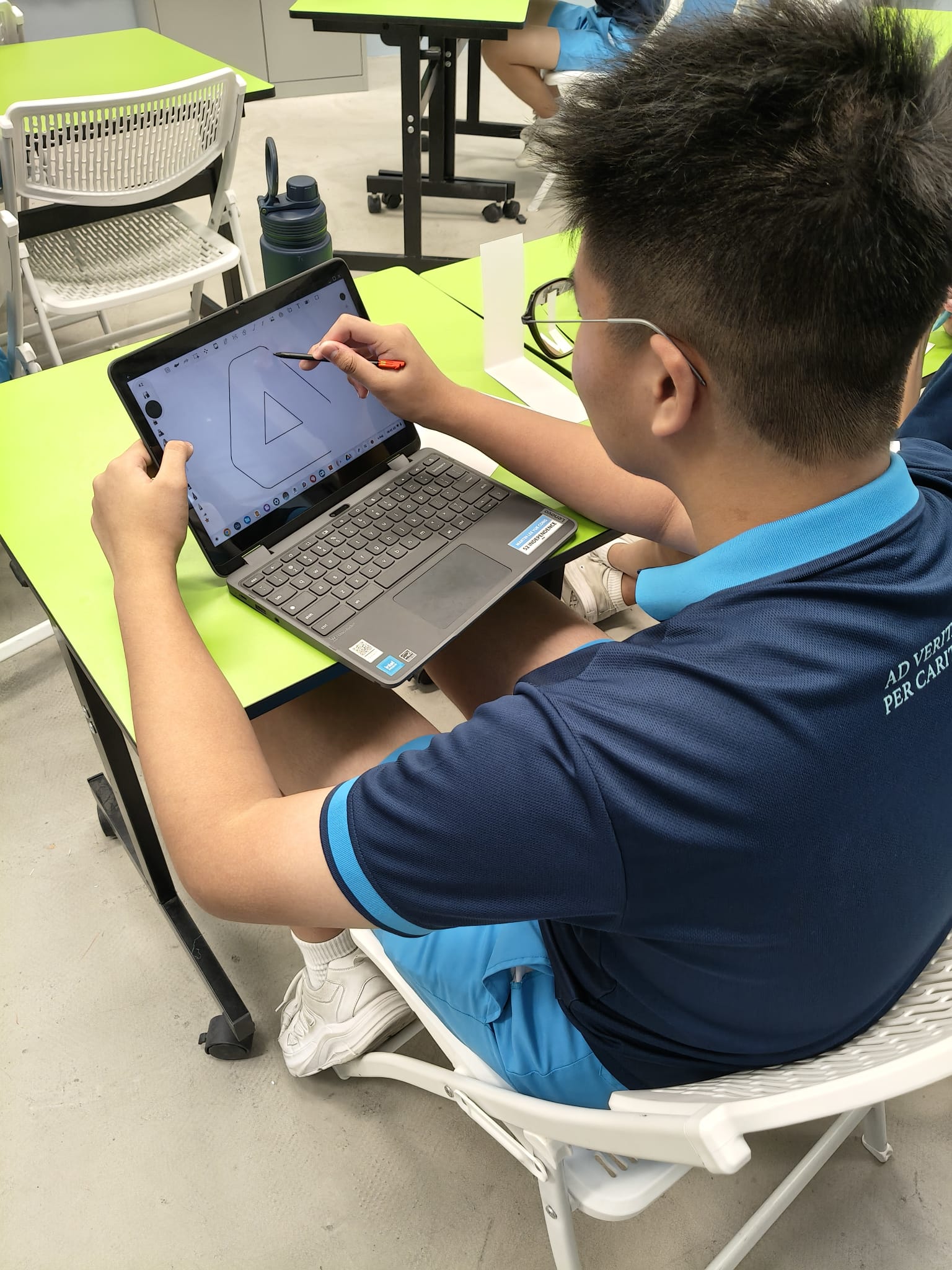
Students also take their designing into the digital space through the SketchBook Pro Digital Design Workshop, where they develop digital sketching techniques to communicate their ideas more effectively. As they create and refine concept sketches through feedback and iteration, students experience an important part of the designer's process: moving from an initial idea towards a solution that has been carefully considered and developed.
Students' Reflections
"Using SketchBook Pro helped me express my ideas more clearly and improved the quality of my design work."
"I learnt how digital tools can make the design process more efficient while allowing me to explore more creative ideas."
"The workshop gave me confidence to experiment with different design concepts and continuously improve them through feedback."
Nutrition & Food Science: Investigating the Food We Eat
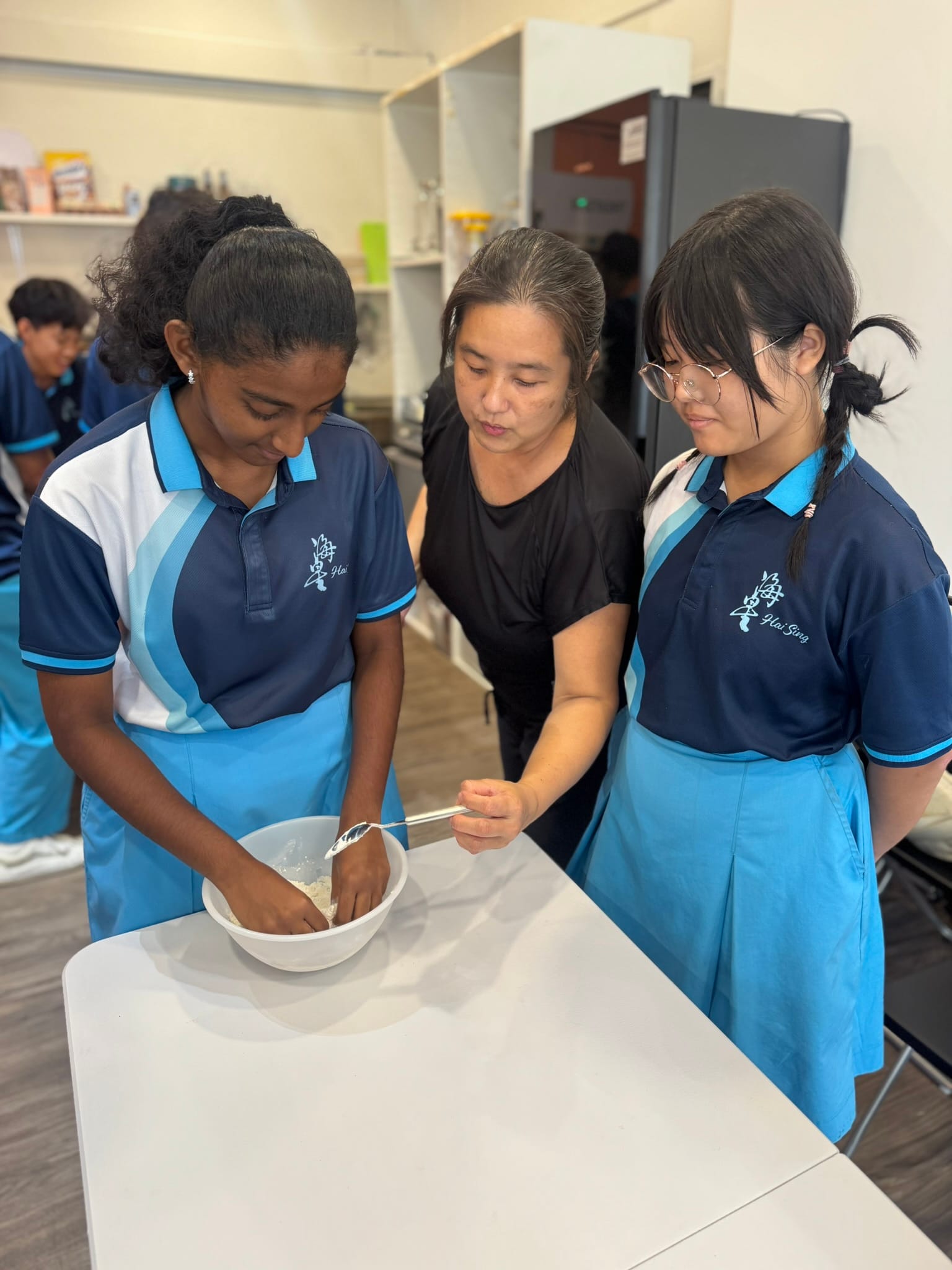
Nutrition & Food Science takes students beyond simply learning about food to investigating the science and choices behind it. Through hands-on food investigations, workshops and experiential learning journeys, students explore how ingredients and cooking methods can affect the quality, nutritional value and sensory properties of food.
Research and experimentation come together in practical food preparation, where students plan, prepare and evaluate food products before considering how these can be improved. They also explore the connections between food, nutrition and sustainability, equipping them to make more informed consumer choices and responsible food-related decisions in their everyday lives.
Students' Reflections
"I learnt that changing ingredients or cooking methods can affect the taste, texture and nutritional value of food."
"Food investigations helped me understand how small changes can improve the quality of my dishes."
"The workshops showed me how nutrition and sustainability influence the food choices we make every day."
Art: Developing Ideas and Finding a Visual Voice
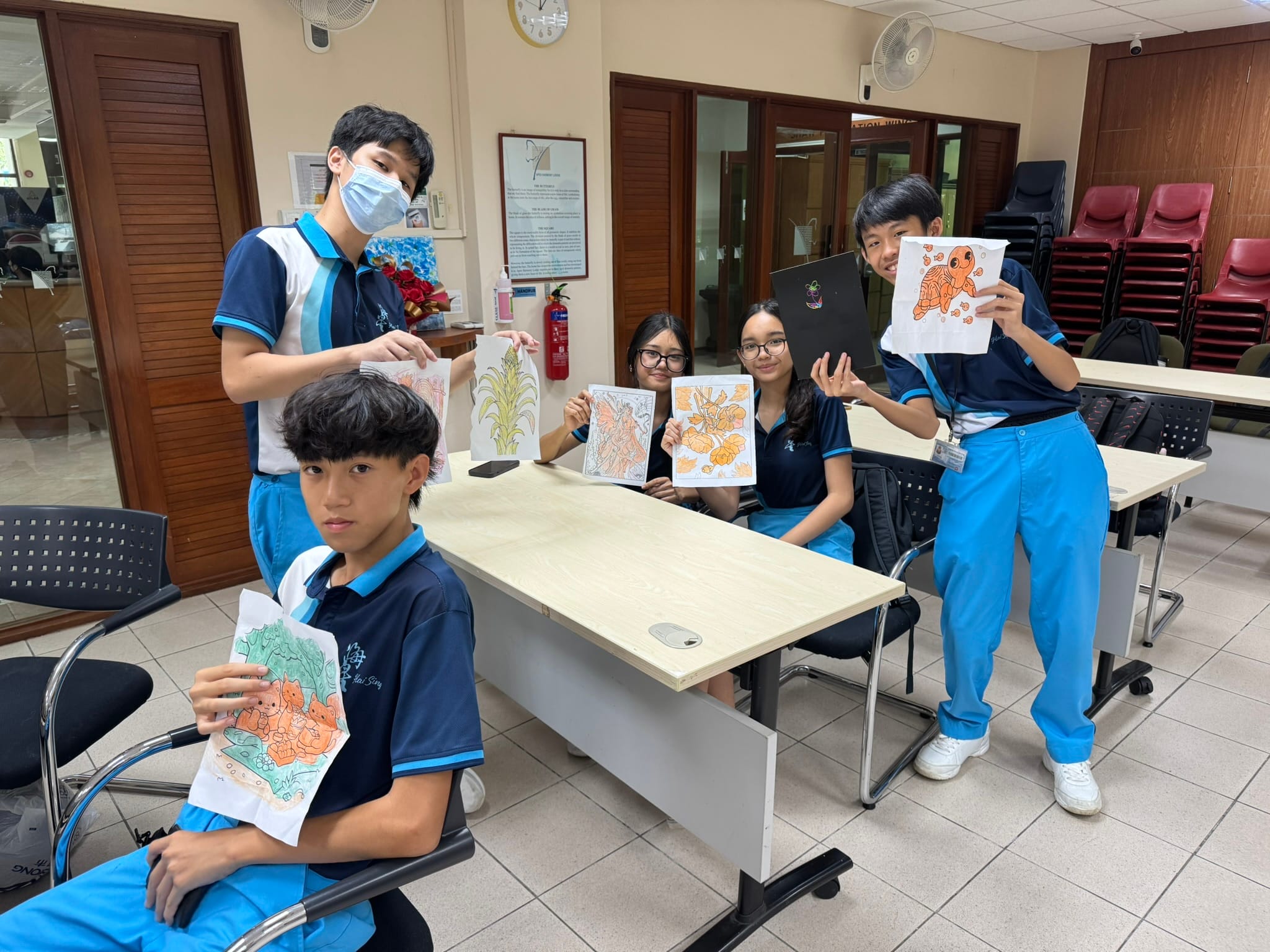
In Art, students learn to observe more closely, explore possibilities and communicate ideas visually. They build strong foundations in drawing through observation, recording, exploration and visualization, before developing increasingly personal responses to the themes they investigate.
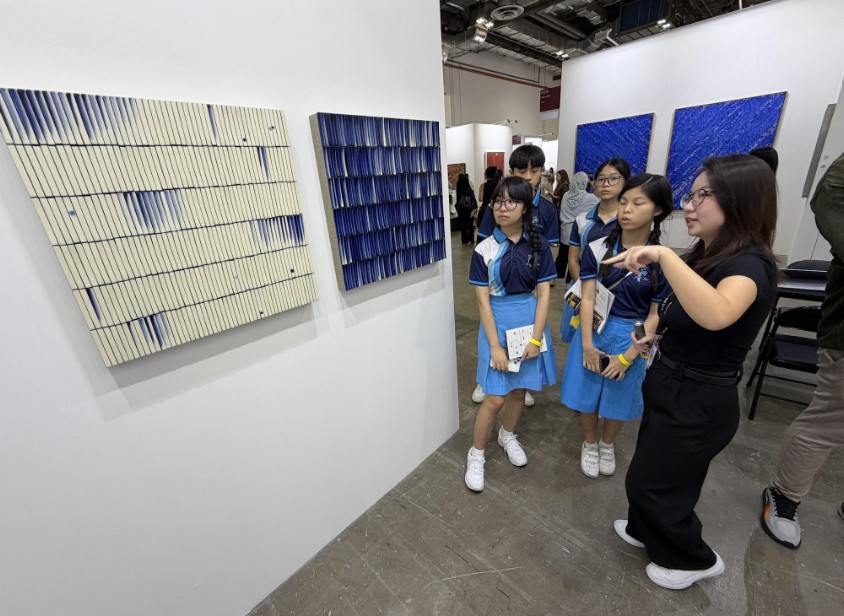
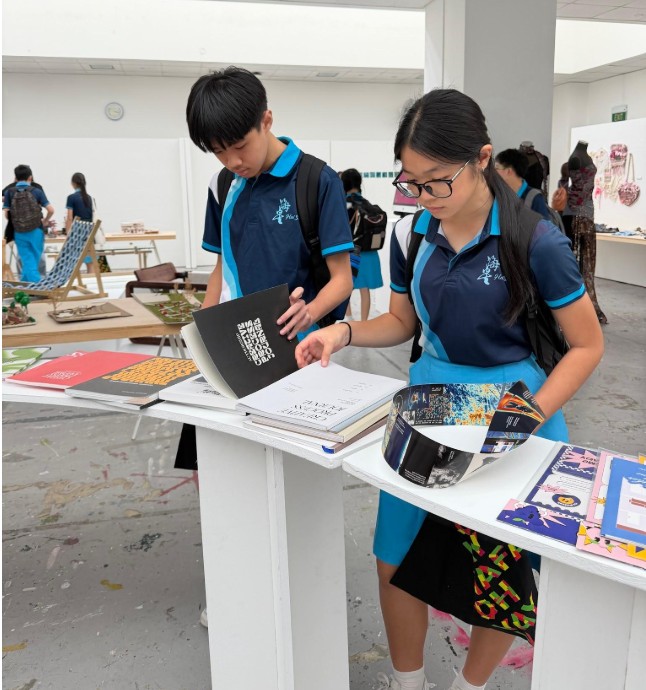
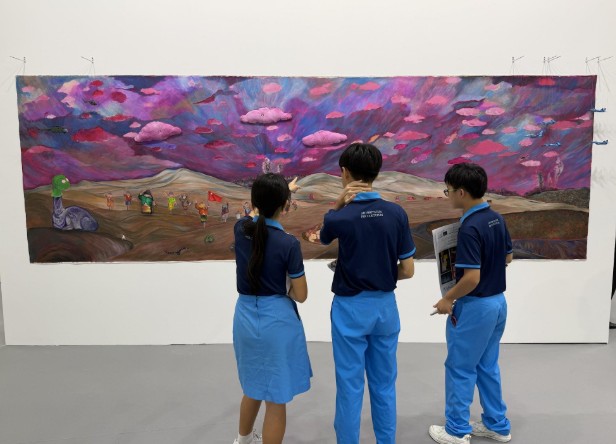
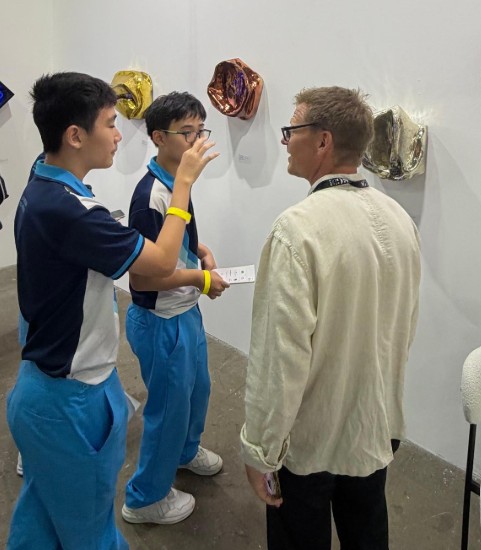
Technology expands the possibilities for creation. Using Procreate and other digital tools, students create, edit and present original artworks while documenting the development of their ideas in digital portfolios. Learning journeys to art institutions and exhibitions allow students to encounter artworks in authentic settings and consider how artists use different media, visual qualities and presentation methods to communicate ideas.
Rather than working towards a finished piece immediately, students experiment, gather visual references, consider different perspectives and continually refine their ideas through feedback and reflection. In doing so, they begin to develop not only technical skills but also their own visual voice.
Students' Reflections
"Visiting the art exhibitions allowed me to experience artworks in person and understand how their scale, materials and presentation affect the viewer."
"I felt fortunate to interact with some of the artists at the Art SG exhibition. Hearing them explain their ideas and artistic processes helped me understand their artworks from a new perspective."
"The inquiry process and feedback in art lessons helped me develop more meaningful ideas and taught me how to apply creative thinking and problem-solving skills in real world situations beyond Art."
Elements of Business Skills: Seeing Business in Action
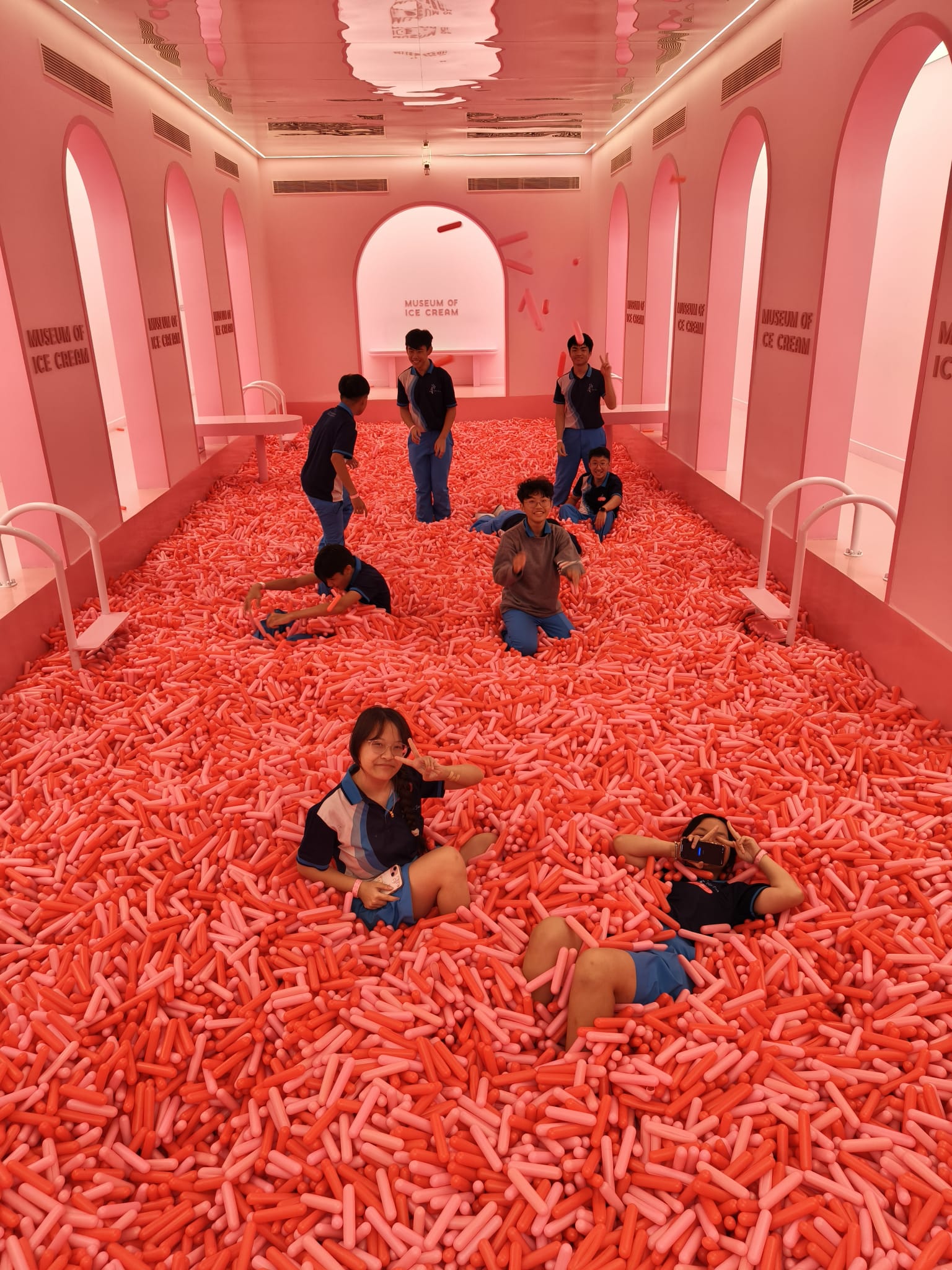
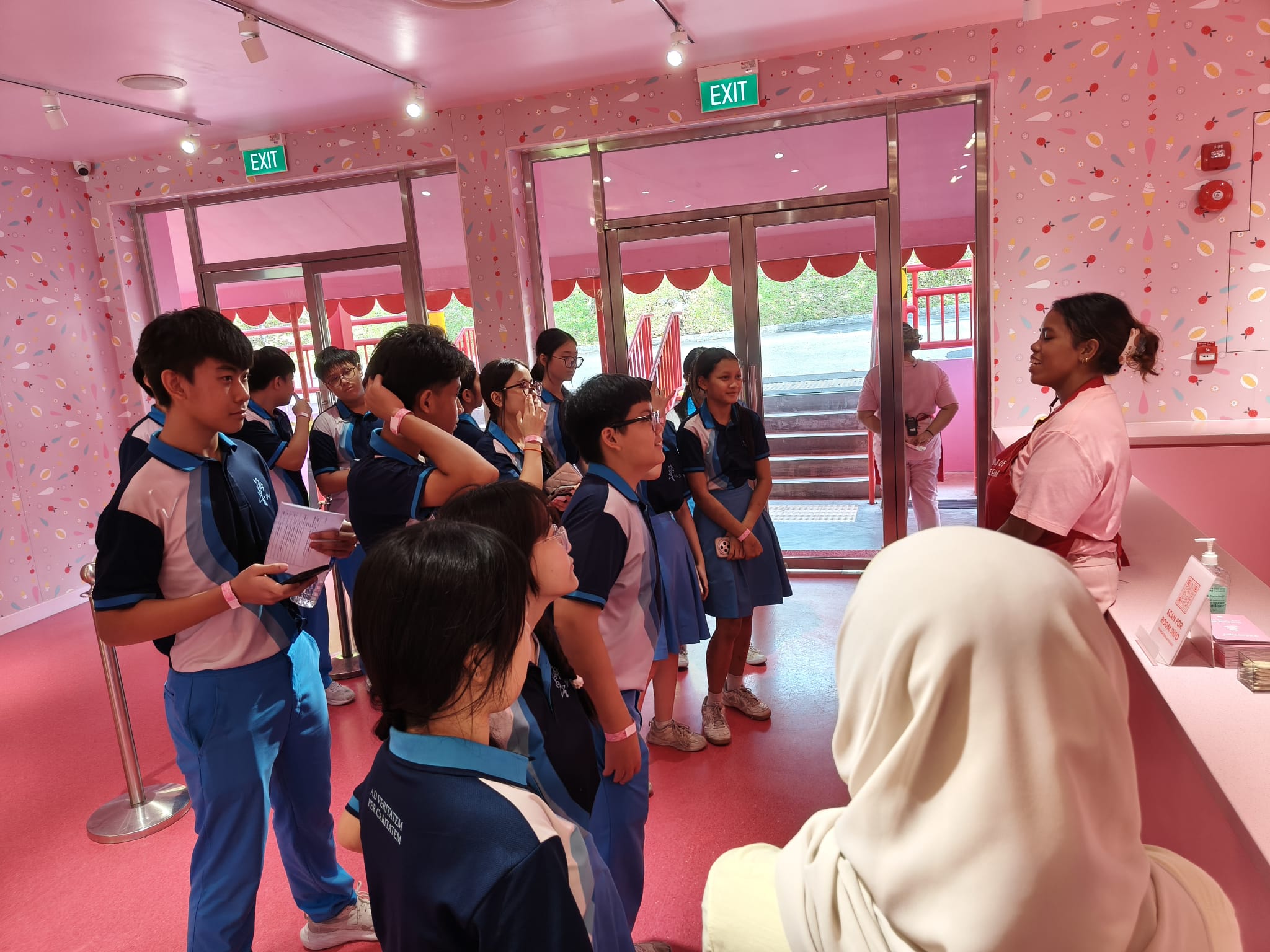
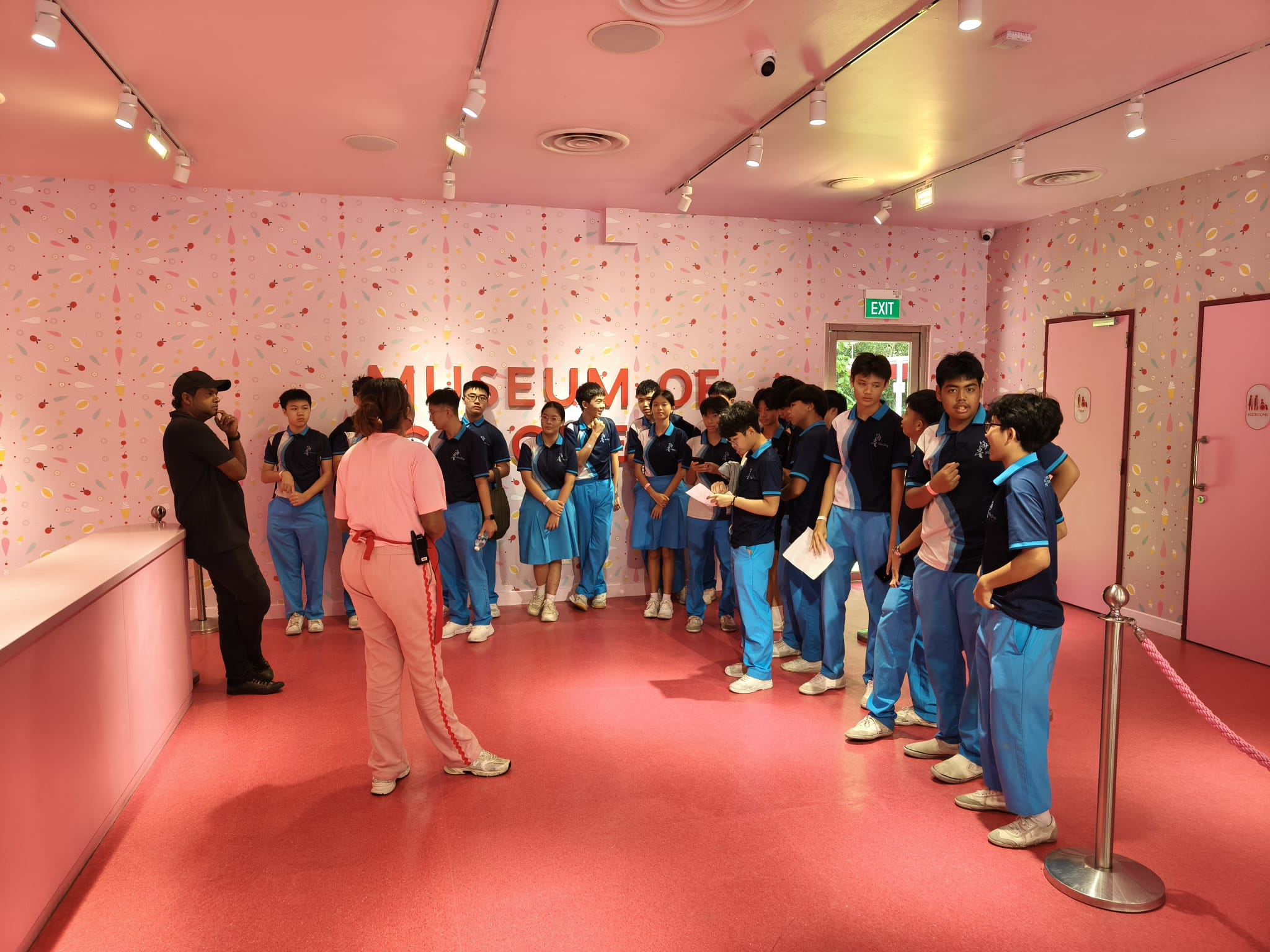
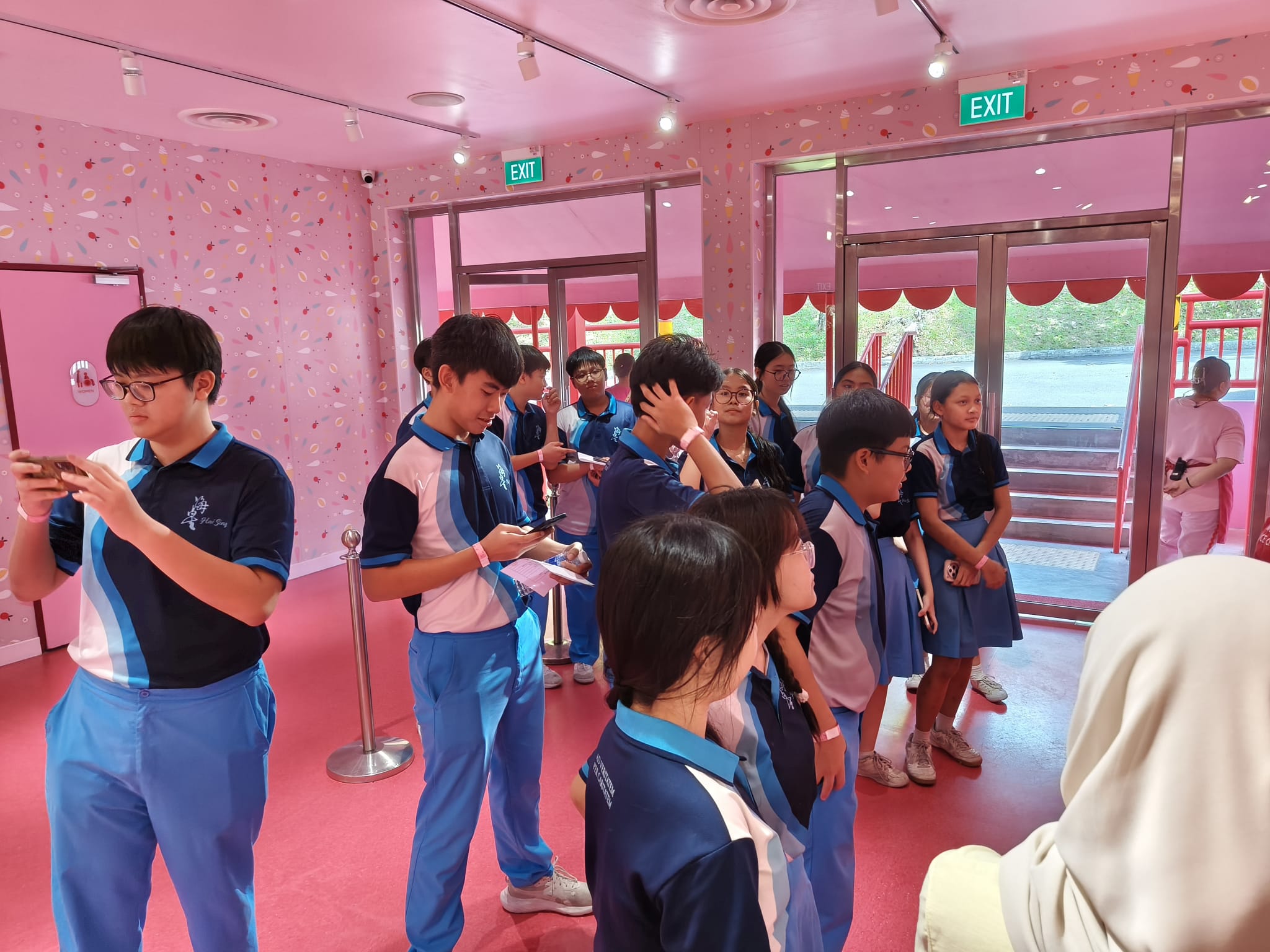
In Elements of Business Skills, classroom concepts come alive when students see how businesses operate in the real world. A learning journey to the Museum of Ice Cream, for example, transforms a visitor attraction into a living case study.
Students observe how concepts such as branding, marketing and customer experience work together to shape an attraction and influence its visitors. They then draw on their observations in project work, making connections between business theory and the decisions involved in managing a real-world attraction. Through such experiences, students begin to look at familiar businesses through a different lens, not simply as consumers, but as budding business thinkers.
Computing: Understanding and Creating with Technology
In Computing, students move from being users of technology towards understanding how technology works and how it can be used to solve problems. They develop knowledge of computer systems, networks, application software and programming while building computational thinking skills through coding.
Students also strengthen their digital and media literacy, equipping them to use technology purposefully in further education and future workplaces. At the same time, they explore emerging technologies and the impact of computing, encouraging them to think beyond what technology can do to consider how it is changing the way we live, learn and work.
Creating, Reflecting and Improving
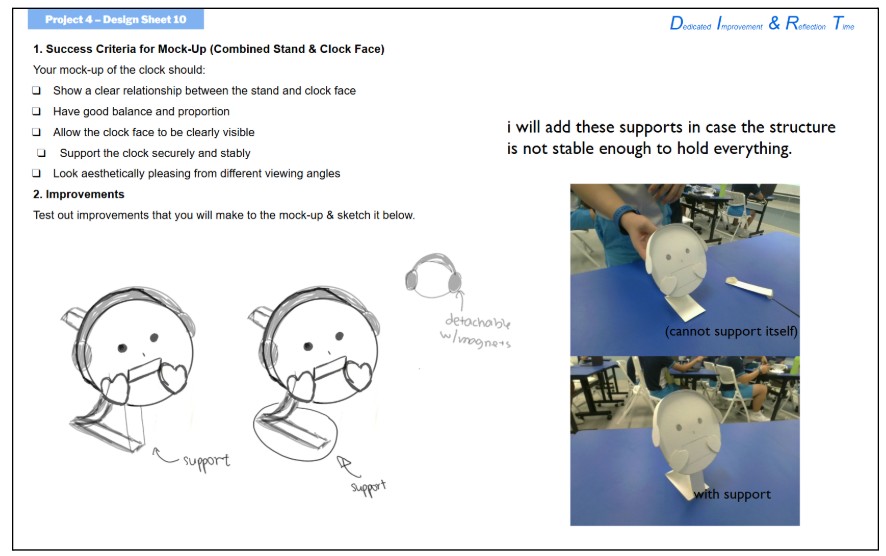
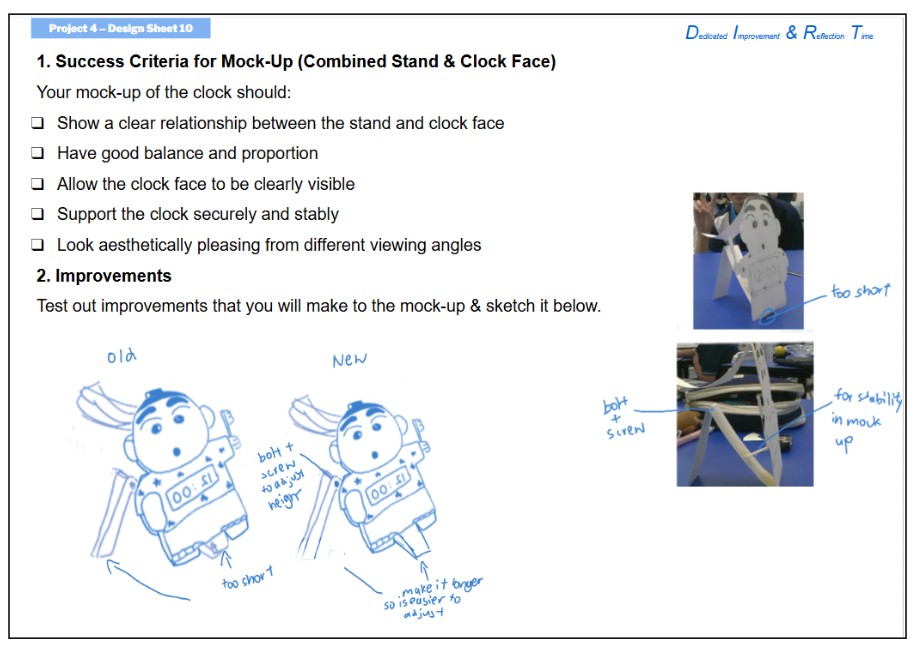
Across the Craft & Technology disciplines, the first attempt is rarely the final one. Through D.I.R.T. (Dedicated Improvement and Reflection Time), students deliberately revisit their work, respond to feedback and identify how their ideas or creations can be improved. Reflection becomes part of the creative process rather than something that happens only after it.
Ready to Create What's Next
The knowledge students acquire across these subjects is important, but so are the habits they develop along the way: observing closely, asking questions, experimenting with possibilities, solving problems, responding to feedback and having the confidence to try again.
Whether students go on to pursue design, technology, business, the arts, food science or entirely different fields, these experiences prepare them for further study and a changing world of work. They learn not simply to consume the products, technology, media and experiences around them, but to understand how they are created—and to have the confidence to create possibilities of their own.