English Language & Literature
Find out more about English Language & Literature Department
English Language & Literature
We aim to develop our students into confident and competent users of the English Language by immersing them in a myriad of authentic and meaningful learning experiences.
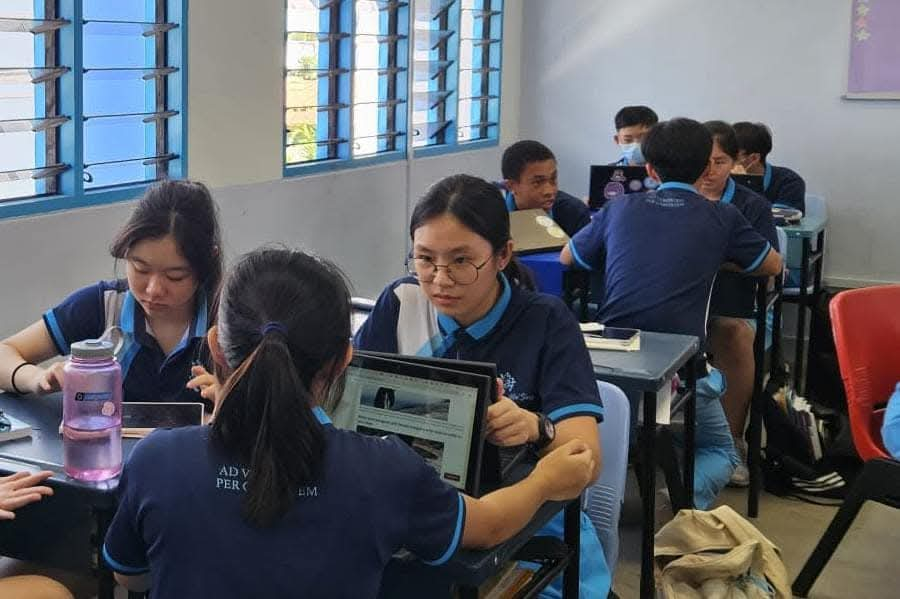
Through rich texts, current issues and dialogue with their peers, students encounter diverse themes that broaden their perspectives of the world. They are encouraged to question ideas, consider different viewpoints, make connections between what they read and their own experiences, and formulate perspectives of their own. Talk and interaction are an important part of this process, giving students the space to explore ideas with others and deepen their thinking.
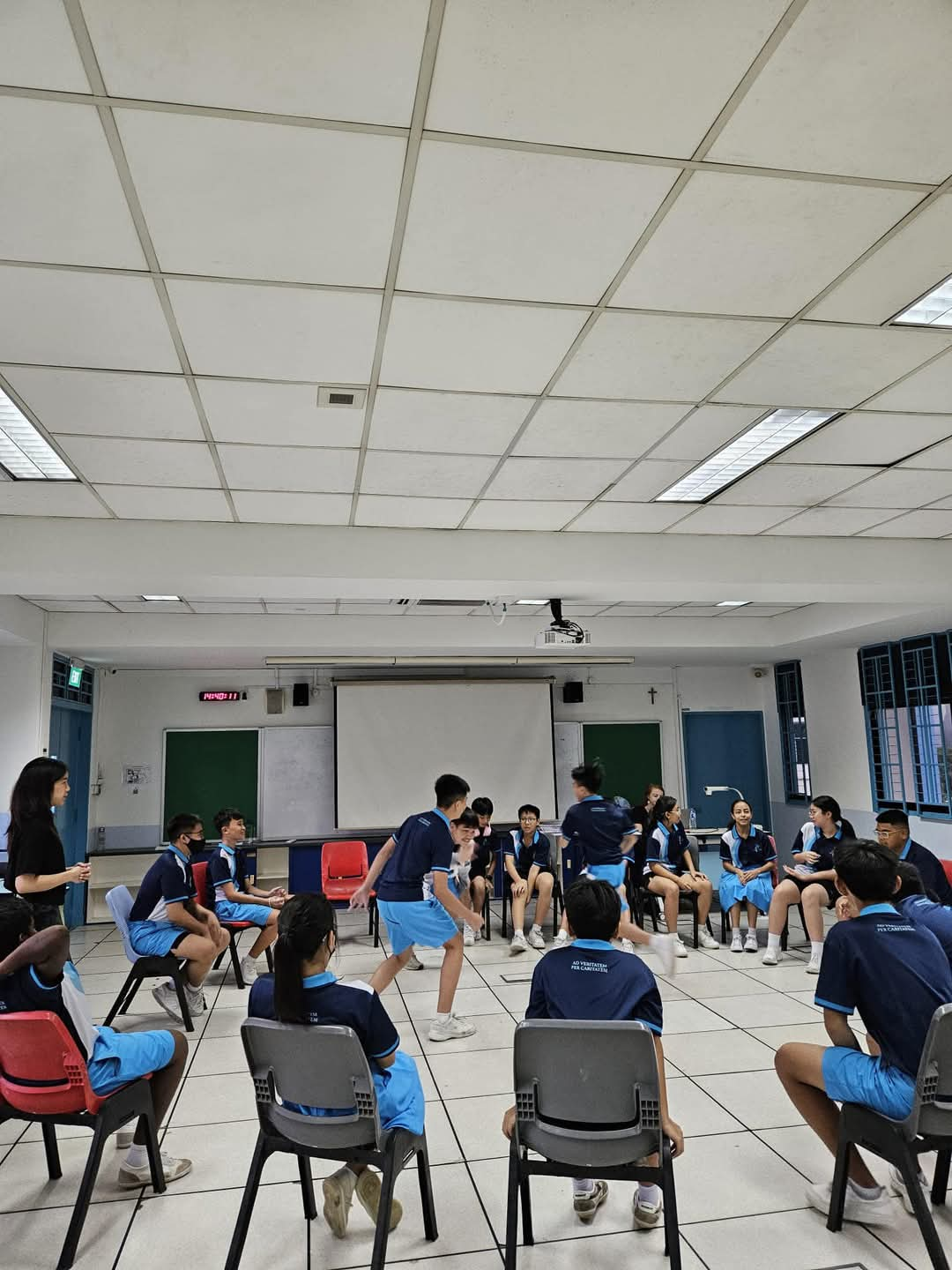
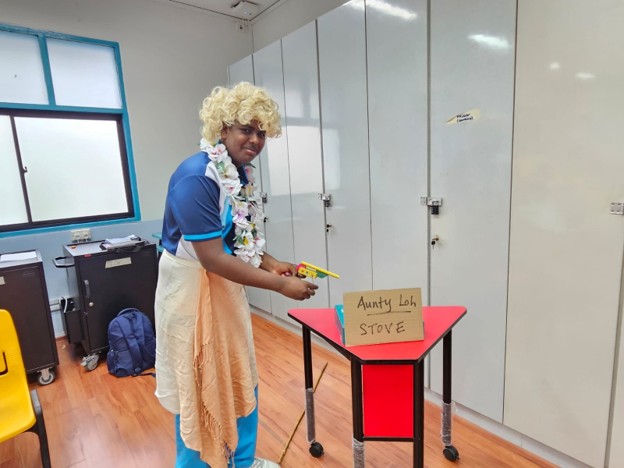
Learning English is also about using language with purpose. Students bring texts and ideas to life through storytelling, dramatisation, tableaux and hot seating; share their reading through open book sharing; and express themselves creatively through poetry-writing and the creation of dioramas. Through authentic tasks, they also collaborate to produce podcasts, videos, posters and advertisements for different purposes, audiences and contexts.
Taking Learning Further
Beyond the classroom, students have opportunities to pursue their interests, test their abilities and discover where a love for language can take them.
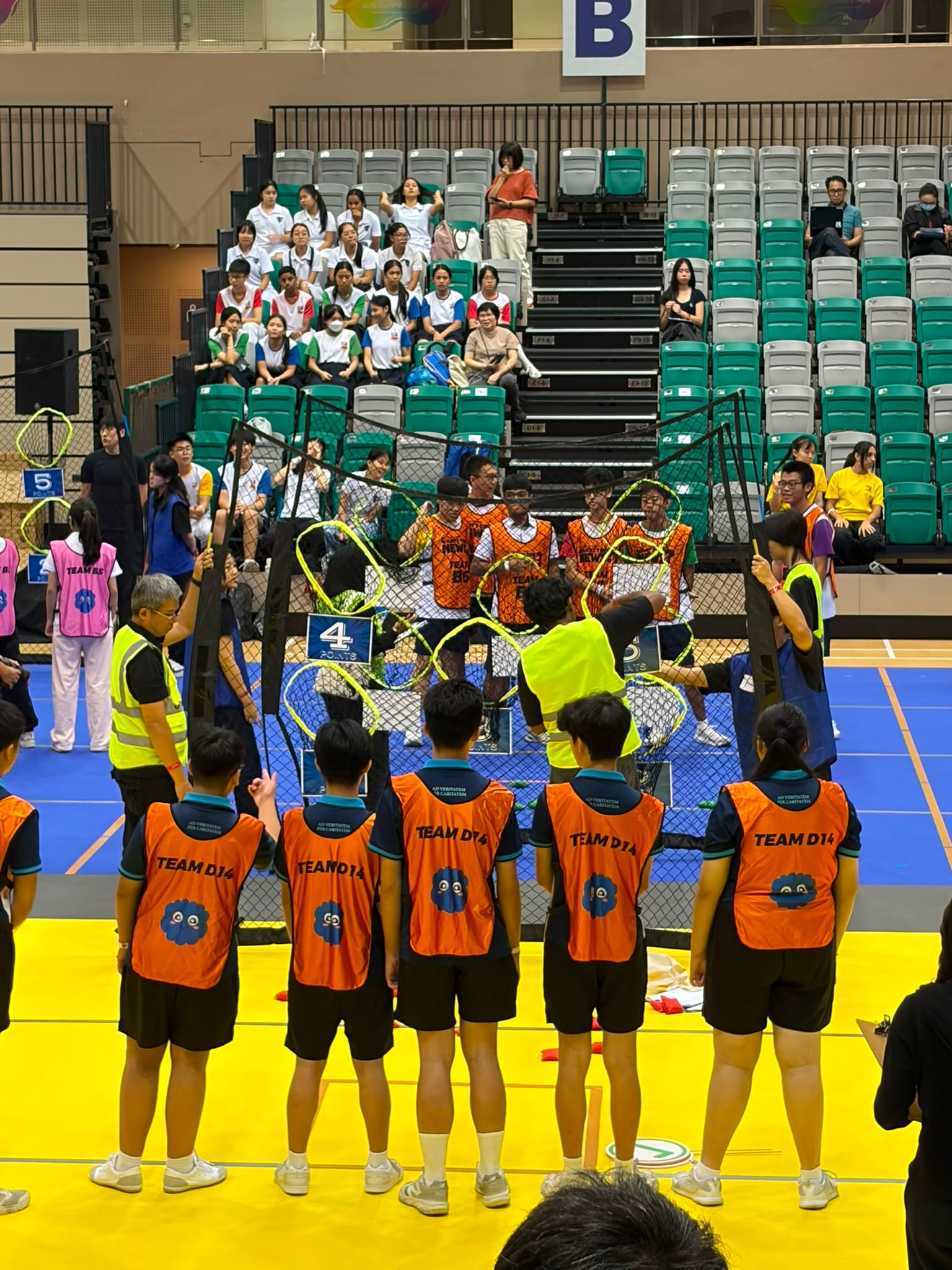
At Straits Times What's The News Current Affairs Quiz, students discover that keeping abreast of the world can be both challenging and fun. Competing against students from other schools through interactive games and challenges, our students put their knowledge of current affairs to the test while developing a greater appreciation of the people, issues and events shaping the world around them. Our students' progression to the semi-finals, where they competed alongside 15 other schools, was an opportunity not simply to demonstrate what they knew, but to deepen their curiosity about the world beyond school.
For students drawn to literature, the National Schools Literature Festival (NSLF) provides a platform to experience texts beyond the confines of the classroom. Lower Secondary students bring literature to life through Choral Speaking, while Upper Secondary students challenge themselves with interpretations through Unseen Debate and Set Text Roundtable Discussions. In engaging with fellow literature students from across Singapore, they learn that there is rarely only one way to read a text. They listen, question, defend interpretations and discover the pleasure of thinking deeply about literature with others.
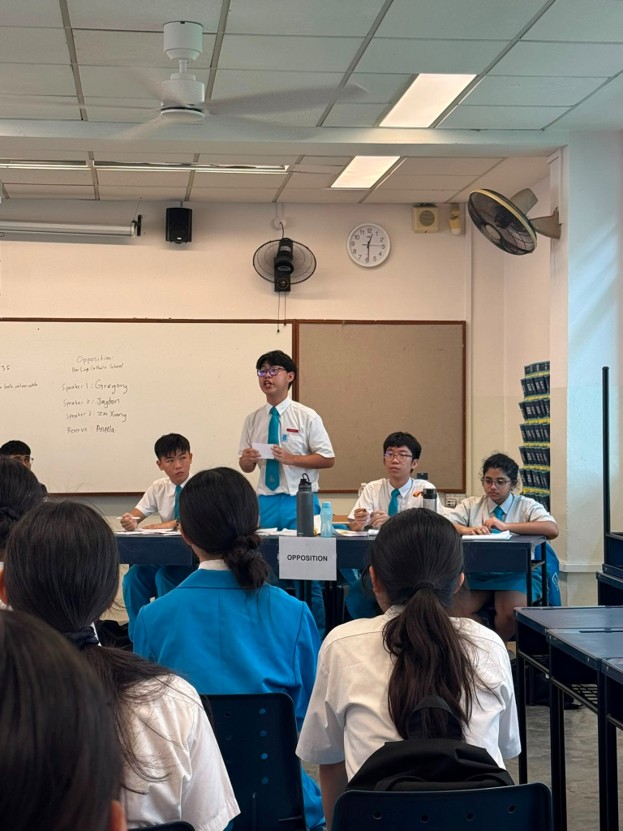
“We enjoyed the opportunity to apply our knowledge and skills beyond the classroom! We learned that when we are put in a different situation, we learn to adapt and collaborate for the best outcome. It is when there are challenges that the most meaningful learning happens. When we persist in the face of challenges and tap on each other’s strengths, we can be stronger and make the best out of our situation.”— Kiki, a Secondary 3 student, shares on her experience at NSLF,
The Live On Festival offers another dimension of authentic learning: writing that matters. Students use creative writing to explore the complex issue of organ donation and transplantation, considering ideas of responsibility, compassion and empathy. In writing for a real purpose and audience, students discover that language can do more than demonstrate proficiency—it can give voice to ideas, invite reflection and shape how others see an issue.
Ready for What Comes Next
These experiences prepare students for a future in which communicating well will mean much more than writing accurately. Whether they progress to further studies, enter the workplace or take on positions of leadership, they will need to make sense of information, engage with different perspectives, communicate ideas clearly and adapt their message for different audiences and contexts.
Our English classrooms give students opportunities to practice these habits from an early age: to read widely, ask thoughtful questions, listen to others, articulate and defend their perspectives, and create with purpose. In doing so, we hope our students leave us not only as confident and competent users of English, but as curious, thoughtful communicators who can connect with others and engage meaningfully with the world around them.